
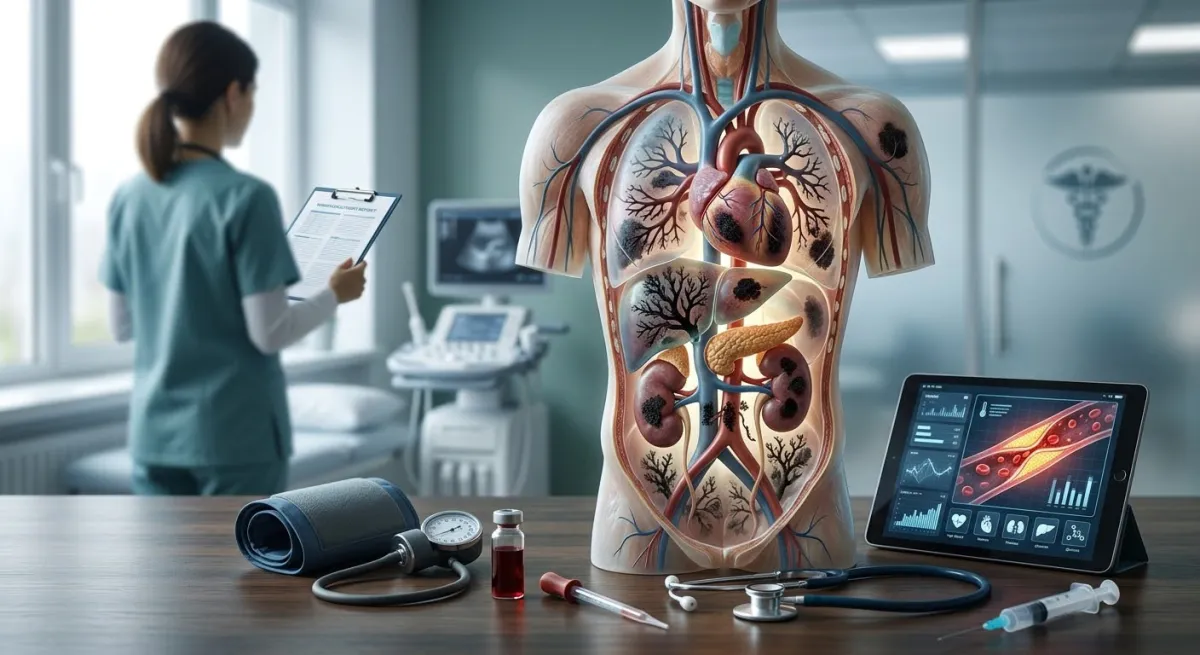
Silent Diseases: 5 Diseases That May Show Few or No Symptoms
Some silent diseases can develop in the body for years without causing obvious warning signs. A person may feel completely healthy and continue normal daily activities while a health condition is gradually affecting the body.
These diseases without symptoms are sometimes called asymptomatic diseases because they may cause few or no noticeable symptoms, particularly during their early stages. This is one reason why regular health check-ups and appropriate health screening tests can be important.
Knowing the early signs of disease, understanding common risk factors, and getting recommended medical screening can help people discuss their health concerns with a qualified healthcare professional.
In this article, we look at 5 Diseases That May Show Few or No Symptoms , including high blood pressure, type 2 diabetes, chronic kidney disease, fatty liver disease, and high cholesterol.
1. High Blood Pressure
High blood pressure, also called hypertension, is one of the most common health conditions that may have no obvious symptoms. A person can have elevated blood pressure and still feel completely normal.
This is why hypertension is often described as a silent condition. Without regular blood pressure checks, a person may not know that their blood pressure is high.
When high blood pressure remains uncontrolled, it can damage blood vessels and increase the risk of serious health problems such as stroke, heart disease, kidney disease, and vision problems.
Regular blood pressure monitoring is therefore an important part of preventive healthcare, particularly for people with known risk factors.
2. Type 2 Diabetes
Type 2 diabetes can develop gradually and may cause few or no obvious symptoms during its early stages. Blood glucose levels can remain elevated for a long period before a person realizes that something may be wrong.
Some people eventually experience symptoms such as increased thirst, frequent urination, tiredness, blurred vision, or slow-healing wounds, but symptoms are not always obvious at first.
Over time, uncontrolled high blood sugar can affect several parts of the body, including the eyes, kidneys, nerves, heart, and blood vessels.
People with risk factors such as excess body weight, physical inactivity, or a family history of diabetes may need to discuss blood sugar testing and diabetes screening with a healthcare professional.
For more information about health changes that may deserve medical attention, read our guide: 10 Health Warning Signs You Should Not Ignore.
3. Chronic Kidney Disease
Chronic kidney disease (CKD) is another health condition that may remain unnoticed during its early stages. The kidneys can continue performing their functions even when some kidney tissue has been damaged, so a person may not feel seriously ill at first.
As kidney function decreases, symptoms may eventually appear. Diabetes and high blood pressure are important causes and risk factors for chronic kidney disease.
Doctors may use blood tests and urine tests to assess kidney function and look for signs of kidney problems.
People with diabetes, hypertension, a family history of kidney disease, or other risk factors may need to discuss kidney health and appropriate screening with a healthcare professional.
4. Fatty Liver Disease
Fatty liver disease can also cause few or no noticeable symptoms, particularly during its early stages. Some people discover that they have fatty liver after a blood test, ultrasound, or medical examination performed for another reason.
Depending on the type and severity, fatty liver disease can progress to liver inflammation, liver scarring, and more serious liver problems.
Risk factors can include excess body weight, metabolic problems, type 2 diabetes, and other health conditions.
Maintaining a healthy weight, eating a balanced diet, staying physically active, and managing related health conditions can support overall liver health.
A healthy lifestyle is also important for reducing several chronic disease risk factors. You can learn more in our article Everyday Habits That Quietly Increase Your Risk of Developing Serious Diseases.
5. High Cholesterol
High cholesterol is another condition that often does not produce noticeable symptoms. A person can have elevated cholesterol levels while feeling completely healthy.
Over time, excess cholesterol can contribute to the buildup of plaque inside the arteries. This may increase the risk of cardiovascular problems, including heart attack and stroke.
A cholesterol blood test or lipid profile can help measure cholesterol levels. A healthcare professional can interpret the results together with other factors such as age, family history, blood pressure, lifestyle, and overall cardiovascular risk.
Because high cholesterol may not cause symptoms, routine testing may be important for people who have been advised by a healthcare professional to have their cholesterol checked.
Why Can Silent Diseases Be Difficult to Detect?
The main problem with silent diseases and asymptomatic health conditions is that a person may not feel sick.
Without noticeable symptoms, someone may delay visiting a doctor or getting recommended health screening tests. This can make it difficult to identify certain chronic health conditions early.
However, not every person needs the same medical tests. The appropriate health screening tests depend on factors such as age, sex, family history, existing medical conditions, lifestyle, and individual risk factors.
Regular healthcare visits can help people discuss their risk factors and determine which tests may be appropriate.
It is also useful to understand the difference between silent diseases and conditions that produce noticeable warning signs. Our article 10 Health Warning Signs You Should Not Ignore covers several symptoms that may deserve medical attention.
How Can You Reduce the Risk of Silent Diseases?
Not every disease can be completely prevented, but several healthy lifestyle habits can reduce the risk of many chronic health conditions.
Important habits include:
- Maintain a healthy body weight.
- Eat a balanced and nutritious diet.
- Stay physically active.
- Avoid smoking and tobacco products.
- Get enough sleep.
- Manage stress in healthy ways.
- Monitor blood pressure when appropriate.
- Discuss blood sugar testing with a healthcare professional when recommended.
- Have cholesterol checked when medically appropriate.
- Attend regular medical check-ups.
- Follow recommended screening guidelines based on your age and personal risk factors.
Lifestyle choices can influence several chronic disease risk factors. Poor diet, physical inactivity, inadequate sleep, tobacco use, and other habits may contribute to long-term health risks.
For more information, read Everyday Habits That Quietly Increase Your Risk of Developing Serious Diseases.
Why Is Sleep Important for Long-Term Health?
Sleep is another important part of overall health. Poor sleep and disrupted sleep patterns can affect different aspects of physical and mental wellbeing.
Maintaining a consistent sleep routine, getting adequate sleep, and discussing persistent sleep problems with a healthcare professional can be part of a healthy lifestyle.
You can learn more about sleep and long-term health in our article How Sleep Architecture Can Affect Your Long-Term Health.
When Should You Talk to a Doctor?
You should discuss your health with a qualified healthcare professional if you have known risk factors for chronic disease or have been advised to receive regular health screening.
A doctor can help determine whether you need tests such as:
- Blood pressure measurement
- Blood glucose testing
- Cholesterol testing
- Kidney function tests
- Liver function tests
- Urine tests
- Other age- or risk-based screening tests
Remember that having no symptoms does not always mean that everything is normal.
If you develop a new, persistent, worsening, or concerning symptom, seek appropriate medical evaluation rather than trying to diagnose yourself.
Frequently Asked Questions About Silent Diseases
What are silent diseases?
Silent diseases are health conditions that may develop with few or no noticeable symptoms, particularly during their early stages. Some chronic diseases can therefore remain undetected until they are discovered through medical testing or screening.
What diseases can have no symptoms?
Examples of conditions that may have few or no noticeable symptoms during certain stages include high blood pressure, type 2 diabetes, chronic kidney disease, fatty liver disease, and high cholesterol.
What is an asymptomatic disease?
An asymptomatic disease is a health condition that does not produce noticeable symptoms at a particular stage. A person may therefore have the condition without realizing it.
How can silent diseases be detected?
Some silent or asymptomatic conditions can be identified through appropriate health screening tests, such as blood pressure measurements, blood tests, urine tests, or imaging when medically indicated.
Can high blood pressure have no symptoms?
Yes. High blood pressure may not cause noticeable symptoms, which is why measuring blood pressure can be important for detecting elevated blood pressure.
Can diabetes have no symptoms?
Type 2 diabetes can develop gradually, and some people may have few or no obvious symptoms during the early stages. Blood glucose testing can help identify elevated blood sugar when testing is medically appropriate.
Can kidney disease have no symptoms?
Yes. Chronic kidney disease may have few noticeable symptoms during its early stages. Blood and urine tests can be used to evaluate kidney function and look for signs of kidney problems.
Can high cholesterol cause symptoms?
High cholesterol commonly does not cause noticeable symptoms. A blood test, such as a lipid profile, can measure cholesterol levels.
How can silent diseases be prevented?
Not all diseases can be prevented, but healthy lifestyle habits, appropriate medical screening, regular healthcare visits, physical activity, a balanced diet, adequate sleep, and avoiding tobacco can help reduce the risk of many chronic health conditions.
Final Thoughts
Silent diseases can be difficult to recognize because they may not produce obvious warning signs. Conditions such as high blood pressure, type 2 diabetes, chronic kidney disease, fatty liver disease, and high cholesterol may sometimes remain unnoticed until they are identified through medical testing.
Understanding diseases without symptoms, recognizing risk factors, maintaining a healthy lifestyle, and following appropriate health screening recommendations can help people take a more proactive approach to their health.
Do not assume that you have a disease simply because you have a particular risk factor or symptom. Instead, discuss your individual health concerns and appropriate screening with a qualified healthcare professional.



Leave a Comment