
Food Synergy: Nutrient Combinations to Aid Natural Absorption
Eating well is not only about choosing nutritious foods. The way foods are combined can also influence how the body absorbs and uses certain nutrients. Some combinations can improve the absorption of particular nutrients, while other food components can reduce absorption.
This concept is sometimes described as food synergy. It refers broadly to interactions between nutrients and other food components that can influence their effects or availability in the body.
A varied and balanced diet naturally provides many of these interactions. Still, understanding a few well-established examples can help you make nutritious meals without relying on expensive or unusual foods.
Vitamin C and Iron
One of the best-known examples involves vitamin C and non-heme iron.
Non-heme iron is the form of iron found mainly in plant foods and fortified foods. The body absorbs non-heme iron less efficiently than heme iron from animal foods. Eating foods containing vitamin C with plant sources of iron can improve non-heme iron absorption.
Good sources of vitamin C include:
- Oranges and other citrus fruits
- Guava
- Tomatoes
- Sweet peppers
- Broccoli
- Some other fruits and vegetables
Plant sources of iron include:
- Lentils
- Chickpeas
- Beans
- Spinach
- Peas
- Nuts and seeds
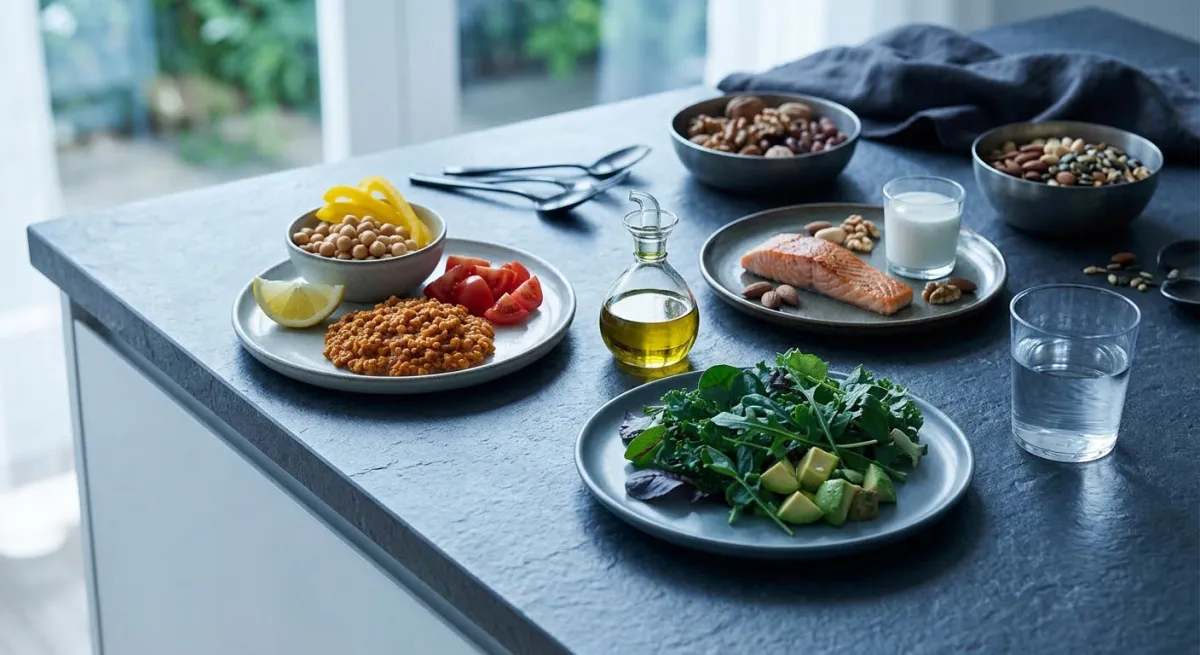
A practical example is serving lentils or chickpeas with tomatoes, bell peppers, or a squeeze of lemon.
For people who regularly rely on plant foods for iron, adding a vitamin-C-rich food to the same meal can be a simple way to support iron absorption.
Healthy Fats and Fat-Soluble Vitamins
Vitamins A, D, E, and K are commonly classified as fat-soluble vitamins. Dietary fat is involved in the absorption of these vitamins.
This means meals containing vegetables and other foods that provide these vitamins can also include a source of dietary fat, such as nuts, seeds, vegetable oils, avocado, or other nutritious fat-containing foods.
For example, adding a small amount of oil to a vegetable-based meal can provide dietary fat alongside the meal.
The goal is not to add large amounts of fat. Instead, a balanced diet can include moderate amounts of nutritious fat sources as part of an overall healthy eating pattern.
Calcium and Vitamin D
Vitamin D helps the body absorb calcium and is important for maintaining healthy bones. Calcium and vitamin D therefore play complementary roles in bone health.
Calcium can be obtained from foods such as:
- Milk
- Yogurt
- Cheese
- Calcium-fortified foods
- Some leafy green vegetables
- Certain fish and other foods
Vitamin D is found naturally in a smaller number of foods and is also added to some fortified foods. The body can additionally produce vitamin D when skin is exposed to sunlight.
However, spending excessive time in direct sunlight is not recommended as a strategy for obtaining vitamin D because ultraviolet radiation can damage the skin. If you are concerned about vitamin D or calcium deficiency, a healthcare professional can help determine whether testing or supplementation is appropriate.
Food Components That Can Reduce Mineral Absorption
Not every food interaction increases nutrient absorption.
Some naturally occurring food compounds can reduce the absorption of certain minerals. Phytates, for example, are found in foods such as legumes, grains, nuts, and seeds and can bind minerals, potentially reducing their absorption.
This does not mean that foods containing phytates should be avoided. Legumes, whole grains, nuts, and seeds provide important nutrients and are valuable parts of a balanced diet.
Food preparation methods such as soaking, sprouting, fermenting, and cooking can influence the levels and effects of some antinutritional compounds.
Tea, Coffee, and Iron
Tea and coffee contain compounds that can reduce the absorption of non-heme iron when consumed with an iron-containing meal.
For people who have iron deficiency or have been advised to increase iron absorption, it may be useful to discuss the timing of tea or coffee around meals with a healthcare professional or dietitian.
The importance of these interactions varies depending on the person's overall diet, iron status, and health.
Simple Food Combinations to Consider
You do not need expensive superfoods or complicated meal plans to take advantage of nutrient interactions.
Some practical combinations include:
Lentils + tomatoes or lemon
Vitamin C from these foods can help improve absorption of non-heme iron from plant foods.
Chickpeas + bell peppers
Chickpeas provide plant-based iron, while bell peppers provide vitamin C.
Leafy vegetables + a nutritious fat source
Including some dietary fat with a meal can support absorption of fat-soluble vitamins.
Calcium-rich foods + adequate vitamin D
Vitamin D supports calcium absorption and contributes to normal bone health.
These combinations are not treatments for nutrient deficiencies. They are simply examples of how a varied diet can support nutrient intake.
A Balanced Diet Still Comes First
Food synergy should not be viewed as a replacement for a healthy overall eating pattern.
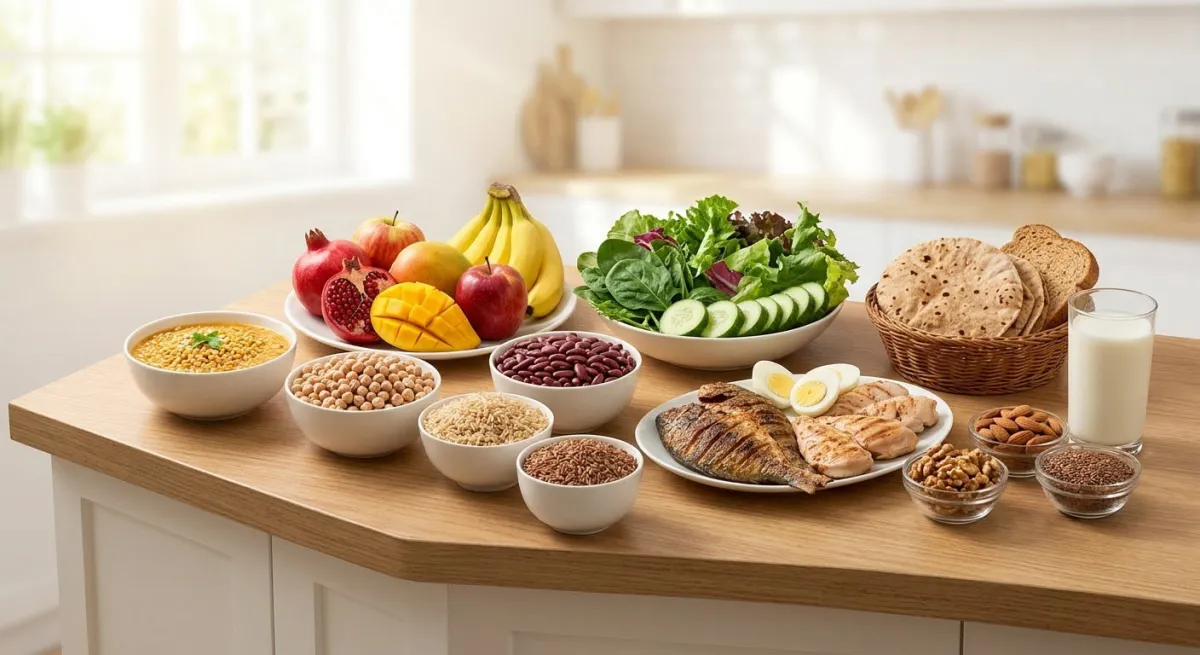
The body needs many different nutrients, and no single food combination can provide everything required for good health. Eating a variety of vegetables, fruits, legumes, whole grains, dairy products or suitable alternatives, eggs, fish, meat, nuts, and seeds can help provide a broad range of nutrients.
For people in Pakistan, familiar foods such as daal, chickpeas, beans, vegetables, seasonal fruits, yogurt, milk, eggs, fish, meat, nuts, and seeds can all be part of a nutritious and varied diet.
When Should You Seek Medical Advice?
Food combinations can support normal nutrition, but they cannot always correct an established nutrient deficiency.
If you have persistent fatigue, unexplained weight loss, digestive symptoms, anemia, or a laboratory-confirmed nutrient deficiency, speak with a qualified healthcare professional.
Do not start high-dose vitamin or mineral supplements simply because you suspect a deficiency. Some nutrients can be harmful in excessive amounts, and supplements can also interact with certain medications. For example, the NIH notes that excessive iron can be harmful and that iron supplements can interact with some medicines.
The Takeaway
Food combinations can influence how certain nutrients are absorbed. Vitamin C can improve absorption of non-heme iron, vitamin D helps the body absorb calcium, and dietary fat plays a role in the absorption of fat-soluble vitamins.
At the same time, some food compounds can reduce mineral absorption under certain circumstances. This does not mean these foods are unhealthy or should be avoided.
The most practical approach is to focus on a varied, balanced diet and use simple nutrient combinations where appropriate. If you are concerned about a nutrient deficiency or have ongoing symptoms, seek individualized medical advice rather than relying on food combinations alone.
Leave a Comment