
How Pollution Harms Your Skin & What to Do About It
Air pollution is best known for its effects on respiratory and cardiovascular health, but the skin is also directly exposed to pollutants in the environment. Research suggests that particulate matter and other air pollutants may contribute to oxidative stress, inflammation, skin-barrier dysfunction, and signs of extrinsic skin aging.
The effects can vary depending on the type and concentration of pollutants, duration of exposure, individual skin characteristics, and other environmental factors such as ultraviolet (UV) radiation.
For people living in heavily polluted urban areas, understanding these potential effects can help inform a simple and protective skincare routine.
How Air Pollution Can Affect the Skin
Air pollution includes a mixture of substances, including particulate matter and gaseous pollutants. Some pollutants can interact with the outer layers of the skin and trigger biological responses.
1. It Can Increase Oxidative Stress
Particulate matter and certain pollutants can contribute to the formation of reactive oxygen species (ROS). When oxidative activity exceeds the skin's antioxidant defenses, oxidative stress can occur.
Research suggests that pollution-related oxidative stress can damage lipids, proteins, and other cellular components and may contribute to skin-barrier dysfunction and inflammation.
2. It Can Promote Inflammation
Air pollution may activate inflammatory pathways in the skin.
Studies have reported associations between particulate-matter exposure and worsening of some inflammatory skin conditions, including atopic dermatitis and psoriasis. Acne and other skin conditions have also been investigated in relation to pollution exposure.
However, pollution is not necessarily the primary cause of these conditions. Skin diseases have multiple potential causes, and pollution may be one environmental factor that contributes to symptoms in some people.
3. It May Contribute to Premature Skin Aging
Long-term exposure to environmental pollutants has been associated with processes involved in extrinsic skin aging.
Research suggests that particulate matter can increase oxidative stress and inflammatory activity and may affect pathways involved in the breakdown of extracellular-matrix proteins such as collagen. UV exposure can also contribute substantially to photoaging, making protection from sunlight an important part of skin care.
4. It Can Affect the Skin Barrier
The skin barrier helps protect the body from environmental exposures and limits excessive water loss.
Research indicates that particulate matter can interfere with skin-barrier function, particularly in skin that is already compromised. This may contribute to dryness, irritation, and increased sensitivity in some individuals.
How to Care for Your Skin in Polluted Environments
A simple skincare routine can help maintain the skin barrier while reducing unnecessary irritation.
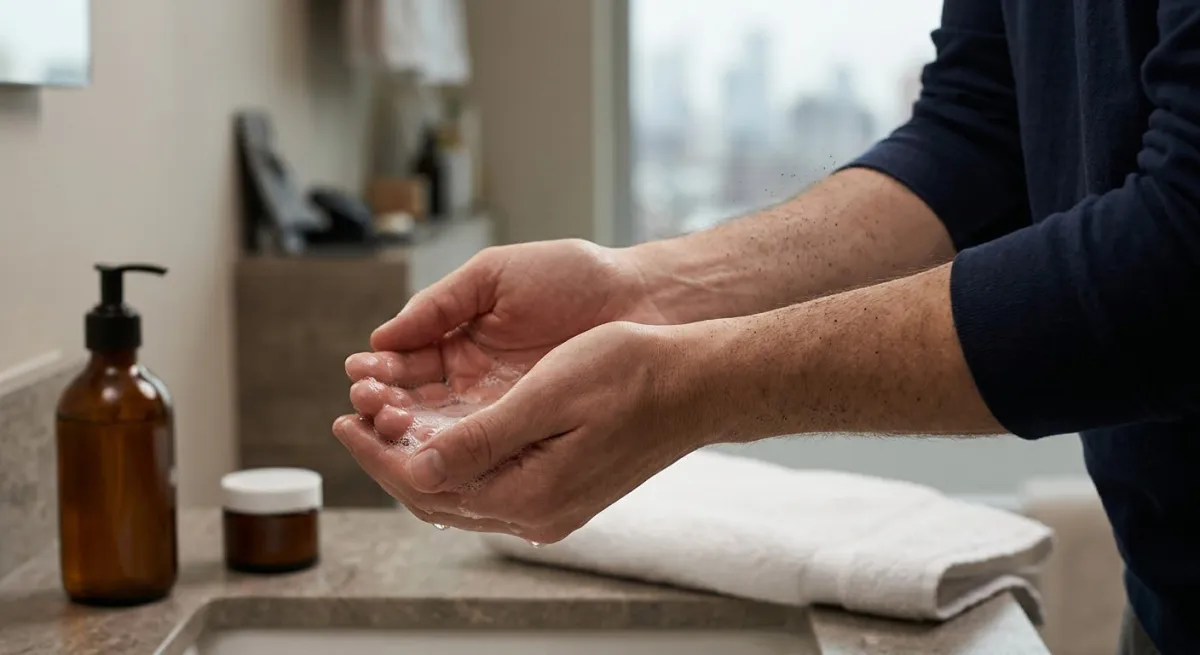
Cleanse Gently
A gentle cleanser can remove accumulated dirt, particles, sunscreen, and cosmetics from the skin.
Avoid aggressive scrubbing or frequent use of harsh cleansing products. Excessive cleansing can irritate the skin and interfere with its protective barrier.
If your skin feels tight, burning, or excessively dry after cleansing, consider switching to a gentler product.
Moisturize Regularly
Moisturizing helps support the skin barrier and can reduce dryness.
Ingredients commonly used in moisturizers include:
- Ceramides
- Glycerin
- Hyaluronic acid
- Petrolatum
- Other skin-supporting emollients
The best moisturizer depends on your skin type and any underlying skin conditions.
Protect Your Skin From UV Radiation
Sun protection remains one of the most important steps in protecting skin from environmental damage.
Use a broad-spectrum sunscreen with an appropriate SPF and apply it according to the product instructions. UV radiation contributes to photoaging and pigmentation, so sunscreen remains important regardless of whether pollution levels are high.
For prolonged outdoor exposure, additional protection such as shade, clothing, and a hat can also reduce UV exposure.
Avoid Overloading Irritated Skin With Actives
If your skin is already irritated, adding multiple exfoliating acids, retinoids, or other strong active ingredients may make symptoms worse.
A basic routine of gentle cleansing, moisturizing, and sun protection may be more appropriate until irritation settles.
If persistent redness, itching, burning, or a rash develops, consider consulting a dermatologist instead of repeatedly adding new products.
What About Antioxidant Skincare?
Because oxidative stress is one of the mechanisms being investigated in pollution-related skin damage, antioxidant ingredients have received considerable research attention.
Ingredients such as vitamin C and vitamin E are commonly used in topical skincare products. Some experimental studies suggest that antioxidant-based formulations may help counter oxidative stress, but the effectiveness depends on the specific ingredient, formulation, concentration, and individual skin response.
Antioxidants should therefore be viewed as an optional part of a skincare routine rather than a guaranteed "pollution shield."
Other Ways to Reduce Exposure
Skincare cannot eliminate exposure to polluted air.
When air pollution is particularly high, practical exposure-reduction measures can include:
- Checking local air-quality information before spending long periods outdoors
- Limiting unnecessary outdoor activity during severe pollution episodes
- Keeping indoor air clean and well ventilated when outdoor conditions allow
- Avoiding tobacco smoke
- Following local public-health recommendations during severe air-pollution events
It is also important to remember that indoor air quality can be affected by sources such as tobacco smoke, cooking emissions, and other pollutants.
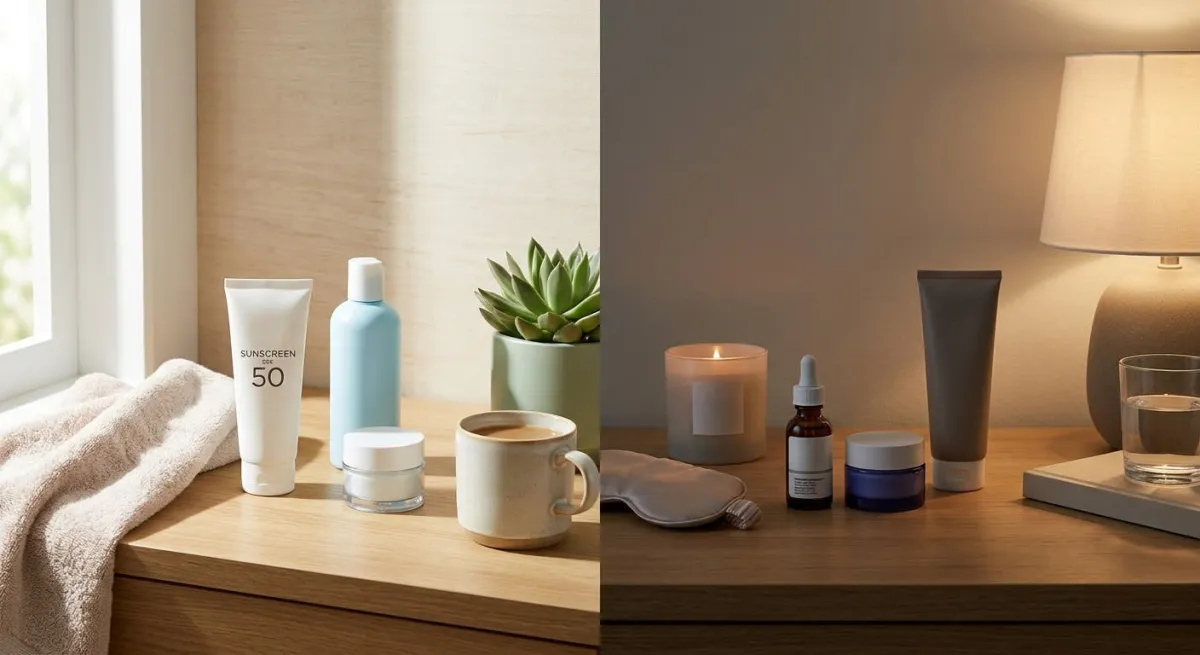
A Simple Pollution-Conscious Skincare Routine
You do not need a complicated routine.
Morning
- Gentle cleanser, if needed
- Moisturizer
- Broad-spectrum sunscreen
Evening
- Gentle cleanser
- Treatment product, if appropriate for your skin
- Moisturizer
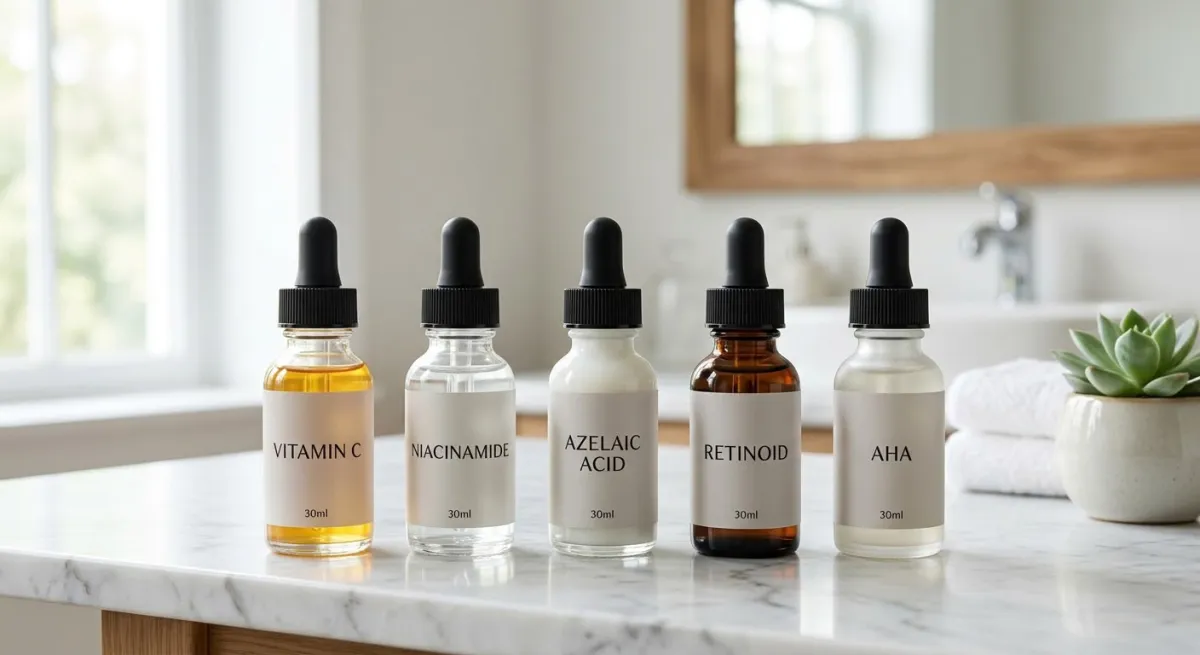
If you already use products containing vitamin C, niacinamide, azelaic acid, or another active ingredient, introduce them gradually and avoid combining multiple irritating products without considering your skin's tolerance.
When Should You See a Dermatologist?
Pollution-related irritation can resemble many other skin problems.
See a qualified dermatologist if you develop:
- Persistent redness
- Ongoing itching or burning
- A rash that does not improve
- Severe dryness or skin cracking
- New or rapidly changing pigmentation
- Acne or dermatitis that is becoming difficult to control
A dermatologist can determine whether environmental exposure is contributing to your symptoms or whether another skin condition needs treatment.
The Takeaway
Air pollution can affect the skin through several mechanisms, including oxidative stress, inflammation, and disruption of the skin barrier. Research also suggests associations between pollution exposure and extrinsic skin aging and some inflammatory skin conditions.
However, the strength of evidence varies between conditions, and pollution is only one of many factors that influence skin health.
A practical approach is to keep your skincare routine gentle, moisturize regularly, protect your skin from UV radiation, and reduce exposure to polluted air when possible.
If redness, irritation, or a persistent rash continues despite basic care, consult a qualified dermatologist rather than relying on unverified skincare remedies.
Leave a Comment